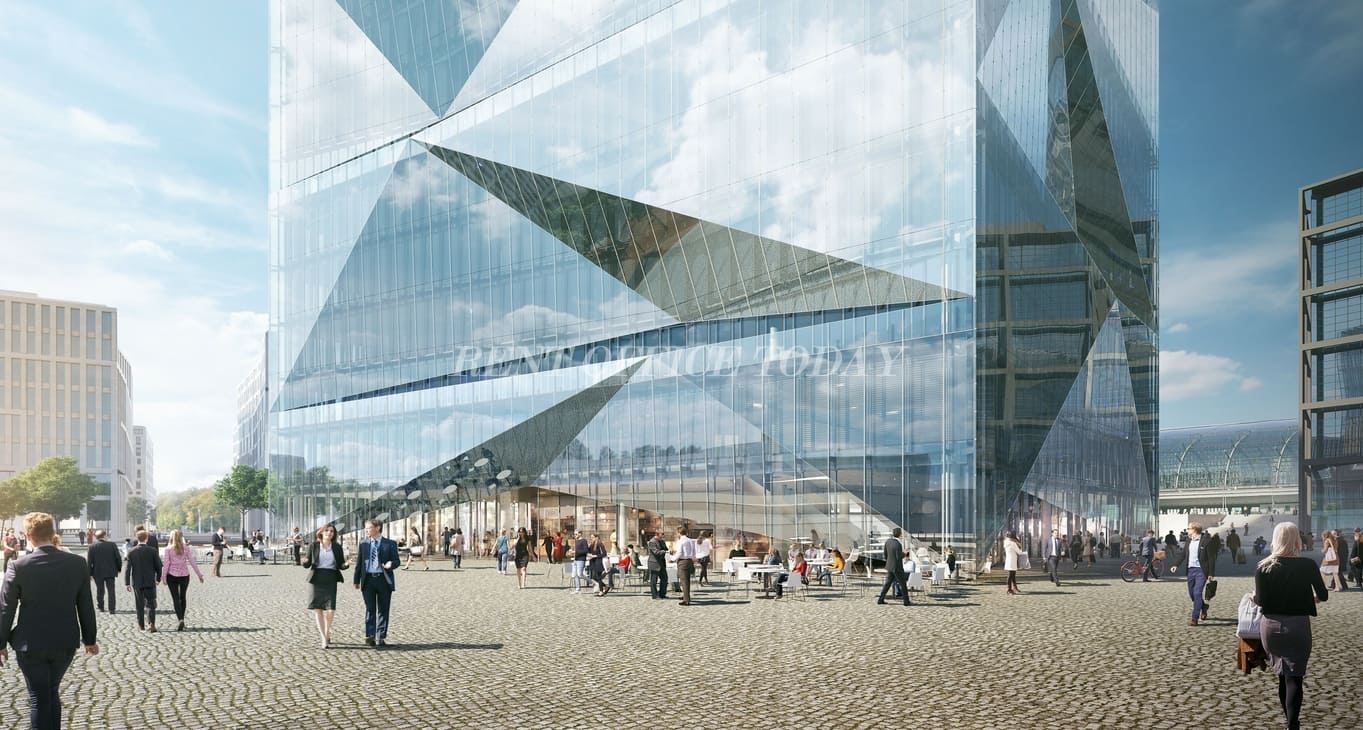
Workplace design in coworking spaces: A focus on ergonomics and productivity
The world of work has changed significantly in recent years, and Coworking spaces have become an essential part of this evolution. This flexible workspace solution is growing in popularity as it offers an inspiring environment for freelancers, startups and established companies. One of the crucial components that influences the performance and well-being of users in coworking spaces is the workplace design, especially in terms of ergonomics and productivity.
Ergonomics: The key to Job satisfaction
1. Ergonomic furniture and equipment:
The selection of ergonomic furniture, such as height-adjustable desks and ergonomic chairs, is crucial to the comfort and health of users. These support correct posture and reduce the risk of muscle tension and back pain.
2. Natural lighting and ventilation:
Coworking spaces should provide natural lighting and good ventilation. Natural light helps reduce eye strain and fatigue, while fresh air promotes productivity and overall well-being.
3. Efficient space planning:
Well-thought-out space planning ensures that furniture and work areas are arranged ergonomically. This enables optimal use of space and promotes efficient working.
Productivity through designed Workspaces
1. Diverse work zones:
Coworking spaces should offer different work zones to meet the diverse needs of users.These can be open work areas, quiet areas, meeting rooms and collaborative corners.
2. Technology Integration:
Integrating cutting-edge technology, from high-speed Internet to video conferencing systems, is critical to productivity. Fast and reliable internet access is a must in today's digital work environment.
3. Community-enhancing facility:
The facility should be designed to facilitate interaction and collaboration between users. Communal tables, lounges and common areas encourage the exchange of ideas and building relationships.
Finding balance: ergonomics and Productivity
A balanced workplace design in coworking spaces takes both ergonomics and productivity into account. An ergonomically designed workplace improves the well-being of users and reduces physical strain, which in turn increases productivity. When people feel comfortable in their environment and can use work equipment effectively, they are more motivated and do better work.
The future of Workplace design
Workspace design in coworking spaces will continue to play a central role in meeting the evolving needs of the workforce. The integration of advanced technology, sustainable materials and ergonomic design will form the basis for efficient and inspiring work environments. Coworking spaces will continue to aim to create a balanced mix of ergonomics, productivity and community to ensure the best possible work environment for their users.