Berlin, the vibrant capital of Germany, has experienced a remarkable transformation of its working environments in recent decades. This development is particularly noticeable in the design and use of office space. From traditional offices to flexible workspaces, this evolution reflects the changing needs and values of the modern world of work. In this article we look at how office space in Berlin has developed and what this means for the future of work.
Introduction: The traditional ones Offices
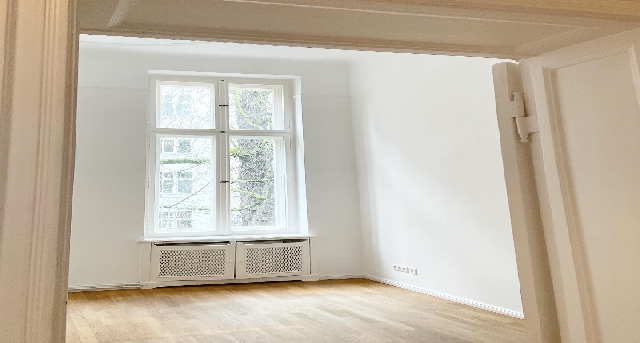
Traditional offices in Berlin, as were common until the early 2000s, stood out fixed workstations, separate offices and a clear focus on hierarchy and demarcation. These offices were functionally designed, with an emphasis on efficiency and productivity, with little emphasis on creativity or employee well-being.
The Change: Emergence of Flexible workplaces
With the advent of the Internet and digitalization, the world of work in Berlin began to change. The need for flexibility and creativity increased, and with it the demand for work environments that support these values. Flexible workplaces that promote collaboration and innovation emerged. Coworking spaces, which enable shared and flexible use of office space, have become increasingly popular, especially among start-ups and Freelancers.
Features more flexible Workstations
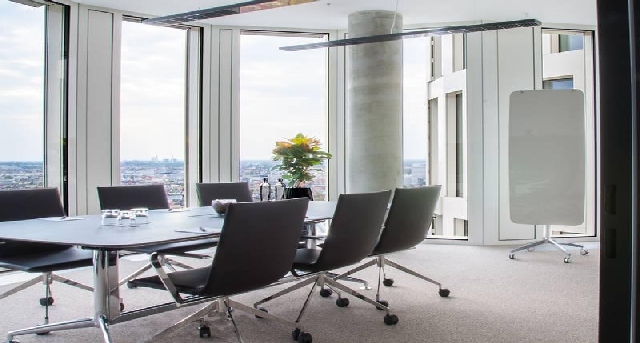
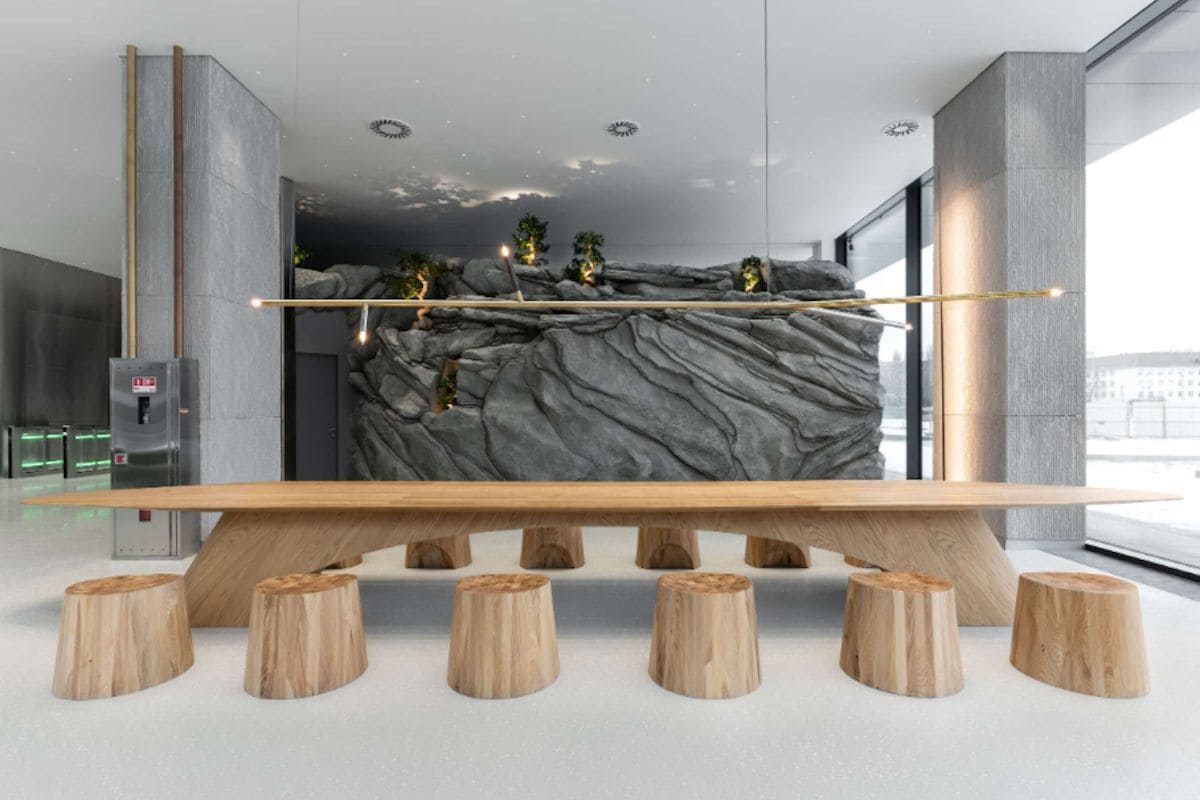
Flexible workplaces in Berlin are characterized by open space concepts, communal work areas and a relaxed, creative atmosphere. They offer a variety of workspaces, from quiet zones to meeting rooms and lounge areas.They are also often equipped with modern technology and offer amenities such as cafes or relaxation areas to create a balanced work environment.
Impact on the Work culture
This development towards flexible workplaces has fundamentally changed the work culture in Berlin. There is a greater focus on collaboration, creativity and employee wellbeing. These environments encourage networking and the exchange of ideas, which is particularly valuable for start-ups and innovative companies.
Case Studies: Successful Flexible Workplaces in Berlin
Examples of flexible workplaces in Berlin are coworking spaces like [name of a coworking space], which houses a dynamic community of creatives, freelancers and start-ups. Another example is the office of a large tech company in Berlin that completely redesigned its space to promote flexibility and employee engagement.
Coworking in Berlin in numbers
The catalogue holds 444 coworking and serviced listings, with desks from €80 a month. Across Berlin that is 171 buildings and 1532 available offices.
The evolution of office space in Berlin from traditional to flexible workplaces is a reflection of the changing world of work. These spaces reflect the values of the modern workforce: flexibility, creativity and community. While traditional offices still have their place, it is the flexible, adaptable nature of new workspaces that defines the future of work in Berlin and beyond.